Solution Overview

Wireless Security Alarm System for Distributors, Installers and OEM/ODM Partners

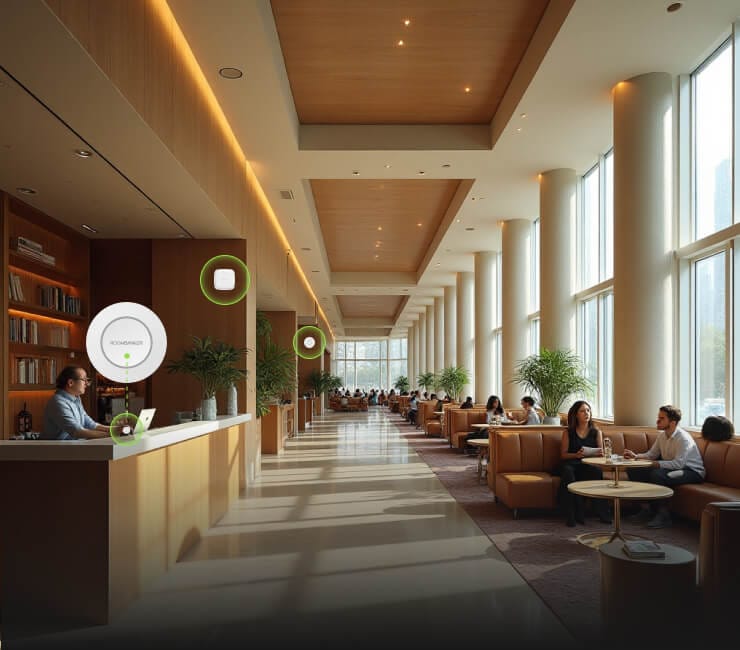
Build a wireless alarm portfolio partners can explain, install, and support. Roombanker connects hubs, sensors, sirens, controls, RB Link software, and RBF wireless technology for residential, retail, and small-business security projects.

System Ecosystem6 device categories
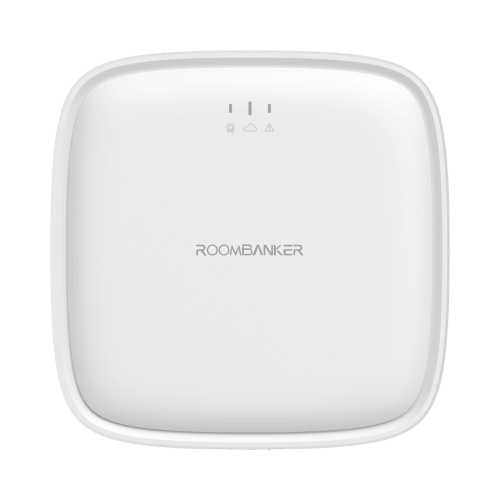
Security Hub — Central control, arming, alerts, connectivity
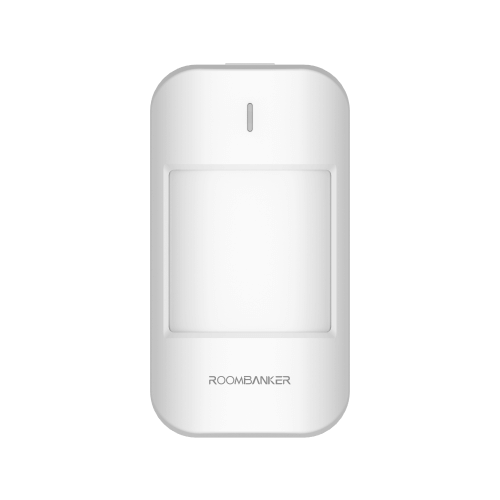
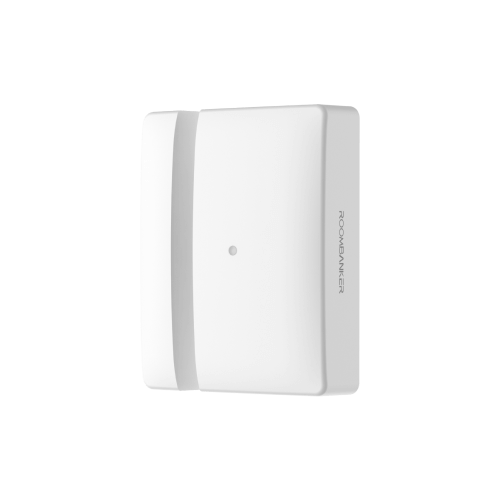
Motion & Perimeter — PIR, door/window sensors
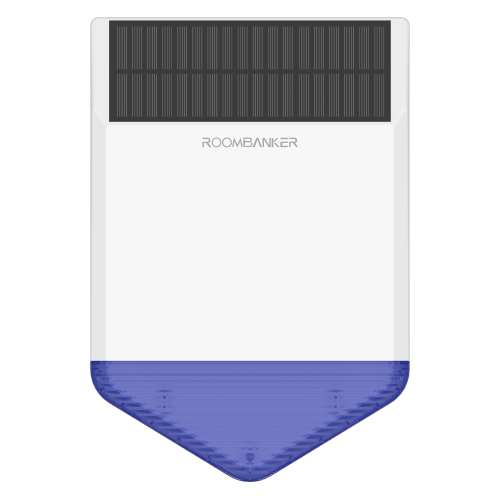
Alerting — Indoor/outdoor sirens with strobe
Hazard & Environment — Smoke, leak, temp, humidity
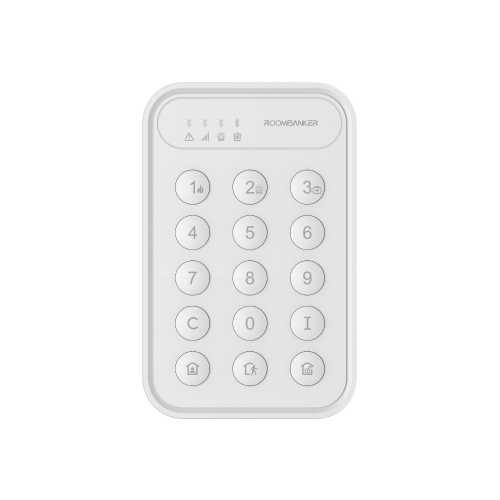
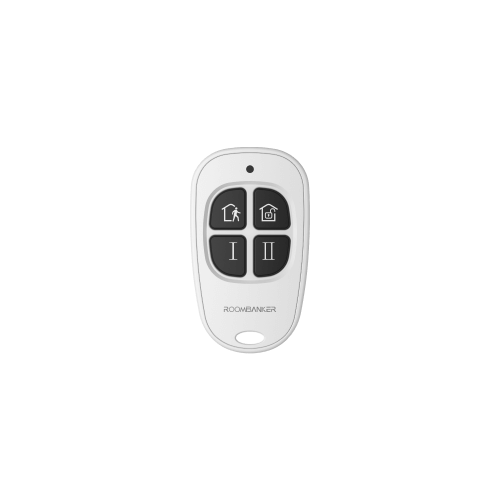
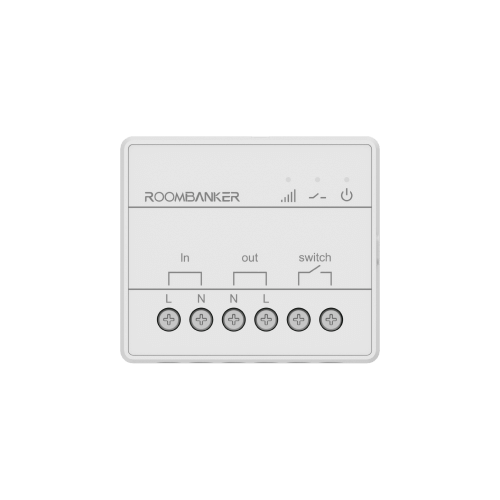
Controls — Keypads, keyfobs, panic buttons, smart switches
Software — RB Link app, cloud platform, ARC integration

A wireless alarm platform built for practical deployment.

Roombanker combines wireless devices, mobile software, monitoring connectivity, and partner-ready support into one modular security platform.

Wireless Retrofit Deployment

Install alarm coverage in apartments, houses, shops, and small businesses without structural wiring or long cable runs.

Modular Device Ecosystem

Combine hubs, PIR sensors, contacts, sirens, keypads, keyfobs, panic buttons, and environmental sensors by project need.

App + ARC Monitoring

Support app-based self-monitoring through RB Link and, on compatible projects, professional monitoring through Contact ID or SIA DC-09 paths.

Partner-Ready Platform

Give distributors, installers, OEM partners, and monitoring providers a connected system they can position by market.

Built for alarm business partners.

This cluster page connects the core wireless alarm platform with the application pages, product pages, and deployment paths different partners need during evaluation.

Security distributors

Security Distributors

Build a connected wireless alarm portfolio with hub, sensors, controls, sirens, app support, and scenario-based bundles.

Installation companies

Installers & Integrators

Evaluate retrofit-friendly devices, signal testing, mobile app enrollment, and field deployment workflows for local projects.

ARC alarm communication

ARC & Monitoring Providers

Review project-dependent Contact ID, SIA DC-09, cloud forwarding, and receiver integration options for monitored alarm service models.

OEM ODM partner

OEM / ODM Partners

Explore a manufacturer-backed product ecosystem with wireless protocol, hardware, software, quality control, and partner support capabilities.

Start with the right device mix for each scenario.

The wireless alarm platform is modular. Partners can use these starter configurations as a planning baseline, then adjust device quantity and coverage by site layout.

Scenario
Recommended Devices
Optional Add-ons
Best For
Apartment Kit
Security Hub, door/window sensor, indoor PIR, keyfob
Smoke detector, water leak sensor, compact siren
Rental units, owned apartments, retrofit projects
House Kit
Security Hub, multiple door window sensors, indoor PIR, outdoor PIR, outdoor siren, keypad
Smart switch, panic button, environmental sensors
Villas, townhouses, detached homes, perimeter protection
Retail Shop Kit
Security Hub, entrance contact, indoor PIR, alarm siren, panic button
Keypad, smoke detector, ARC monitoring connection
Storefronts, convenience shops, small commercial sites
Small Business Kit
Security Hub, multi-zone sensors, keypad, siren, keyfobs
ARC integration, environmental monitoring, smart switches
Offices, warehouses, clinics, service locations

How devices, software, and monitoring work together.

The ecosystem is organized into architecture layers: hub control, wireless field devices, app/cloud software, monitoring integration, and RBF communication. This helps partners explain the system before selecting specific products.

Control Layer
Security HubCentral logic for arming modes, event processing, supported connectivity options, model-dependent backup battery operation, and alarm routing.
Detection Layer
Motion, perimeter, and safety sensorsPIR, door/window contacts, smoke, leak, and temperature/humidity devices convert site events into wireless alarm signals.
Alert & Control Layer
Sirens, keypads, keyfobs, panic buttons, switchesLocal alarm output, emergency triggering, user operation, and automation control for daily system interaction.
Software Layer
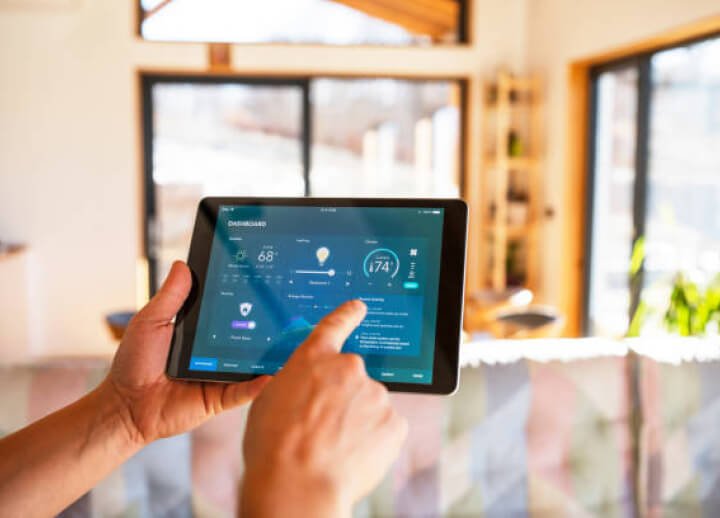
RB Link app and cloud platformDevice enrollment, remote arming, notifications, event records, user access sharing, and cloud data synchronization.
Monitoring Layer
Contact ID, SIA DC-09, ARC integrationProfessional monitoring paths for compatible ARC workflows, including cloud forwarding, receiver-based, or protocol-converter architectures where supported.
Wireless Layer
RBF wireless protocolLow-power wireless communication across selected device models, designed to support range, anti-interference behavior, and stable signaling under suitable installation conditions.

Detect. Process. Respond.

Every event follows a three-stage pipeline through the system — from sensor trigger to user notification and compatible monitoring workflows.

Stage 1

Detect

Compatible sensors detect movement, openings, smoke, leaks, or climate changes and send RBF alerts to the Security Hub.

Stage 2

Process

The Security Hub validates each event, applies the current arming mode, triggers local sirens, and forwards alerts through the connectivity paths supported by the selected model and configuration.

Stage 3

Respond

RB Link sends user notifications, while compatible ARC integrations can forward alarm events through supported monitoring protocols.

From site survey to verified alarm delivery.

A complete wireless alarm project needs more than device pairing. Roombanker supports a practical deployment flow for installers, distributors, and monitoring partners.

1

Assess the Site

Map entry points, interior routes, siren placement, network availability, and whether the project needs app-only or ARC monitoring.

2

Select Devices

Choose hub, sensors, sirens, controls, and environmental devices based on risk zones, site size, and user operation habits.

3

Install & Enroll

Mount devices, scan or enroll them through RB Link, check signal strength, configure zones, and define arming modes.

4

Test Alerts

Validate local siren response, mobile notifications, network failover, and ARC signal delivery when monitoring is enabled.

The wireless foundation under every application.

RBF Protocol

Self-developed wireless stack

Selected RBF-enabled models are designed around Sub-1G wireless communication, frequency hopping behavior, device scheduling, and encrypted transmission. Specific FHSS, TDMA, and AES-CCM implementation details should be confirmed against current model specifications before public use.

Note: Some RBF specifications reference up to 3,500 m in open-air, line-of-sight conditions. Real project performance depends on model, building materials, layout, device placement, local regulations, and interference.
Network

Triple-path connectivity

Selected hub configurations may support WiFi, 4G cellular, and Ethernet connectivity, with failover behavior depending on model, SIM/network availability, and setup.

Note: Backup battery behavior is model- and configuration-dependent. Runtime should be validated against the current product specification and project requirements.
ARC Ready

Alarm Receiving Center connectivity

Compatible configurations may support Contact ID, SIA DC-09, cloud forwarding, direct receiver, or protocol-converter paths for monitored alarm service models.

Availability depends on hub model, firmware, ARC environment, regional requirements, and integration scope.

Engineering support can review architecture, integration setup, and live testing requirements for qualified projects.

Built for self-monitoring and ARC monitoring.

Partners can position the same wireless alarm system for app-based self-monitoring, professional monitoring, or a hybrid service model depending on the market.

Self-Monitoring via RB Link

For residential and light commercial projects, users can receive app notifications, check system status, arm or disarm remotely, and share access with family members or staff.

  • Real-time mobile alerts for alarms and device events
  • Remote arming, disarming, and mode switching
  • Multi-user access sharing for homes and businesses

Professional ARC Monitoring

For monitored alarm services, compatible Roombanker configurations may support Contact ID or SIA DC-09 based alarm delivery, with cloud forwarding or direct integration paths depending on the ARC environment.

  • Cloud-based forwarding from hub events to ARC platforms
  • Direct IP receiver or protocol-converter architecture
  • ARC software integration references for project review where available

Wireless vs. wired alarm systems.

Wireless alarm systems are especially useful when partners need faster installation, retrofit flexibility, and scalable device expansion without structural wiring work.

Decision Factor
Wireless Alarm System
Wired Alarm System
Installation
Fast retrofit installation with minimal drilling and no long cable runs.
Requires cable planning, routing, wall work, and more installation labor.
Scalability
New devices can be enrolled and relocated as site needs change.
Expansion often requires additional wiring and site modification.
Maintenance
Battery checks and wireless signal validation are part of routine service.
Less battery dependence, but cable faults can be harder to trace.
Best Fit
Apartments, houses, shops, small businesses, and retrofit projects.
New construction, large fixed sites, or projects with dedicated cabling budgets.

RB Link — the partner and user interface.

The companion app is how installers configure the system and how end-users interact with it daily. RB Link is designed for fast deployment and intuitive operation.

Quick Device Enrollment

Use QR-code based onboarding and guided device adding to accelerate setup across multiple rooms and zones, depending on app version and device model.

Signal Strength Visualization

Signal-quality indicators help installers review device placement and reduce avoidable callbacks caused by weak wireless connectivity.

One-Tap Arming & Modes

App-based arming modes can help users control which zones are active. Available modes and delayed arming behavior depend on system configuration.

Multi-User Access Sharing

Share system access with family members, employees, or tenants where supported. Permission controls help the primary account manage who can arm, disarm, or configure the system.

Built with compliance and documentation in mind.

Roombanker wireless alarm systems are designed to support partner go-to-market across regions, with certification and integration scope confirmed at the model and market level.

Partnerdistribution and installer support*
Globalmarket documentation support*
EN 50131selected models / project dependent*
ARCintegration reference where available*
Model-Level Certificates Regional Compliance Review Product Documentation Product Specs
*Certification scope and availability vary by product model and target market. Refer to official product documentation for details.

A security product partner with engineering depth.

Partners choose Roombanker because the product story is backed by wireless technology, product development, quality control, and partner support across the alarm ecosystem.

Experienced Product Team

Roombanker's team focuses on alarm system design, wireless communication, embedded hardware, mobile software, and partner deployment support.

In-House RBF Protocol

RBF is Roombanker's proprietary wireless technology for selected alarm and automation devices, giving partners a clearer technology story than device-only sourcing.

Quality Control & Supply Support

Roombanker provides product development, quality control, documentation, and partner support across its alarm product ecosystem. Manufacturing and capacity claims should be confirmed per commercial discussion.

Try before you commit.
Order a sample kit to test range, build quality, and app experience in your own environment.
Request Sample Kit

The central system page for the wireless alarm portfolio.

Use this page as the hub for partners evaluating Roombanker at the system level. It connects the commercial partner path, RBF technology story, product specifications, and application pages.

Partner Path

For distributors, installers, integrators, and OEM/ODM partners who need commercial onboarding, samples, pricing, and local support.

Go to Partner Program →

Technology Path

For readers who need to understand how RBF wireless technology supports selected alarm and automation devices.

Explore RBF Technology →

Product Path

For teams comparing hubs, detectors, sirens, keypads, keyfobs, panic buttons, and environmental safety devices.

View Product Specs →

Application Path

For partners mapping the same system into intrusion detection, evacuation alarm, environmental safety, and automation solutions.

View Applications →

Not sure where to start? Find your path.

Roombanker serves different partner types with tailored onboarding, pricing, and support. Choose the path that matches your business.

Ready to learn more?

Whether you're evaluating the technology, planning a deployment, or building a product portfolio — our team can walk you through the architecture, share specifications, and arrange a sample kit.

Want to test in your environment?
Order a Sample Kit
Evaluate range, build quality, and the RB Link app with your own hands.
Request Sample Kit →
Knowledge Base

Frequently asked questions.

Designed for both search engines and partners researching wireless alarm solutions.

A wireless security alarm system is a connected network of hubs, detectors, sirens, controls, software, and monitoring paths that communicate without fixed signal wiring between every device. For partners, the value is not only the device list; it is a portfolio that can be explained, installed, supported, and adapted across apartments, houses, shops, and small businesses.

This page is written for security distributors, installation companies, system integrators, ARC or monitoring partners, and OEM/ODM teams evaluating a wireless alarm portfolio. End users can understand the system, but the primary path is partner evaluation, sample discussion, deployment planning, and product portfolio building.

Yes. Distributors can start from the partner program path to discuss target markets, product families, sample kits, onboarding, documentation, and commercial terms. The final device mix depends on the local scenario, certification needs, service model, and project volume.

Roombanker supports partners with product documentation, configuration guidance, RB Link app workflows, device enrollment references, signal-quality review, and project discussion where needed. Exact training, FAE support, and deployment assistance should be confirmed for each market and partnership type.

The system is organized around six device categories: Security Hub; motion and perimeter detection; alerting devices such as sirens; environmental safety devices such as smoke, leak, and climate sensors; control devices such as keypads, keyfobs, and panic buttons; and software such as RB Link and cloud services. Available models and specifications should be checked in the current product documentation.

Roombanker can discuss OEM/ODM cooperation for qualified partners, including product selection, project requirements, branding needs, and technical feasibility. Final scope depends on product line, certification, minimum order requirements, customization level, and commercial agreement.

Compatible configurations may support ARC or CMS integration through monitoring protocols and integration paths such as Contact ID, SIA DC-09, cloud forwarding, receiver-based integration, or protocol conversion. Availability depends on hub model, firmware, ARC environment, region, and project scope, so ARC requirements should be reviewed before deployment.

RBF is Roombanker's proprietary wireless technology for selected alarm and automation devices. It is designed to support low-power wireless communication, stable signaling, and partner-controlled product integration. Specific range, encryption, scheduling, and protocol details should be confirmed against the current model specification before public or tender use.

Some RBF specifications reference up to 3,500 m in open-air, line-of-sight conditions. Real site performance is usually lower and depends on device model, walls, floors, building materials, installation height, signal environment, local regulations, and configuration. Partners should validate range through specifications and site testing.

Partners should confirm model-level specifications, certifications, wireless range assumptions, battery/runtime claims, connectivity paths, ARC protocol support, regional compliance, and any OEM/ODM or manufacturing statements. Public claims should match the latest product documentation and the approved commercial scope.

Scroll to Top
Contact Us

    This site is protected by reCAPTCHA and the Google Privacy Policy and Terms of Service apply.